Compliant by Design: How Pharmaceutical Marketing Fulfillment Should Work
Quick answer
Pharmaceutical marketing fulfillment is the process of producing, storing, assembling, and distributing pharma marketing materials like HCP (healthcare provider) leave-behind, patient education mailers, congress and conference kits, and sales collateral. Unlike typical fulfillment, pharmaceutical campaigns are under stricter version control, audit trails, and data-privacy standards. Compliance is built into the workflow from intake through delivery.
Typical marketing fulfillment projects are built around achieving speed. In pharmaceutical marketing fulfillment, every step is expected to be fast and fully compliant with strict regulatory requirements. It's no longer just about packing and shipping materials. It's a system designed to preserve accuracy, traceability, and consistency from production through final delivery.
Every brochure, physician leave-behind, patient education piece, event kit, or direct mail campaign must be produced, stored, and distributed using approved materials and documented workflows. A single outdated insert, incorrect version, or missing quality check can introduce unnecessary compliance risks.
What Makes Pharmaceutical Marketing Fulfillment Different
A standard B2B fulfillment process is relatively straightforward: print the materials, assemble the kits, ship the orders, and the campaign is underway. Here are a few ways pharmaceutical marketing fulfillment differs from traditional marketing fulfillment.
1. Assets are Tightly Controlled
Brochures and other printed materials cannot be edited and reprinted on a whim in pharmaceutical marketing. Each asset goes through a structured review and approval process before it reaches production. The version being printed, stored, and distributed must match the version that was officially approved. Strong version control helps prevent outdated or unapproved materials from remaining in inventory or being sent into the field.
2. Multiple Approvals Required
Before a marketing asset is ready for distribution, it often passes through several stakeholders, including brand, medical, legal, and regulatory teams. Each review helps ensure the content is accurate, compliant, and appropriate for its intended audience.
A pharmaceutical marketing fulfillment partner doesn't simply move files into production. They work within these approval workflows, ensuring materials are produced only after the necessary reviews are complete and that the approved version remains consistent throughout fulfillment.
3. Documentation Happens at Every Stage
Unlike standard fulfillment projects, pharmaceutical marketing fulfillment requires clear documentation throughout the process. Each campaign tracks production records, inventory, quality checks, and even shipping histories. These are documented trails that support accountability and operational consistency.
Apart from knowing the status of the campaign, these records also make it easier to verify which materials were produced, where they were distributed, and if they were updated or replaced.
4. Marketing Materials Have a Limited Lifecycle
Unlike many promotional materials, pharmaceutical marketing assets aren't meant to stay in circulation indefinitely. Product information, safety language, prescribing details, or campaign messaging may change as approvals are updated or new clinical information becomes available. That's why they rely on strong version control and inventory management to retire outdated materials and ensure only current, approved assets are shipped.
5. Consistent Kit Assembly
Pharmaceutical campaigns often involve sales kits, conference materials, physician education packets, and direct mail pieces containing multiple components. Every kit must be assembled the same way using the correct, approved materials. Standardized assembly processes help reduce manual errors and ensure every recipient receives a complete, consistent package.
6. Nationwide Distribution
Pharmaceutical campaigns rarely ship to one location. The same campaign may need to send sales kits to field representatives, educational materials to healthcare providers, and event collateral to conferences across the country.
Keeping every detail consistent takes more than just reliable shipping. It requires organized inventory, coordinated warehousing, and fulfillment processes that ensure every recipient gets the right materials, at the right time, using the same approved versions.
At a certain point, managing everything in-house becomes difficult. Our guide on when a business has outgrown DIY fulfillment covers what that inflection point typically looks like.
7. Lot- and Region-Specific Campaigns
Some pharmaceutical campaigns are designed for a specific launch, region, or audience. In those cases, materials from different lots or regions can't get mixed in the same shipment. Strong inventory management helps keep those materials organized from start to finish, reducing the risk of mix-ups and keeping distribution consistent.
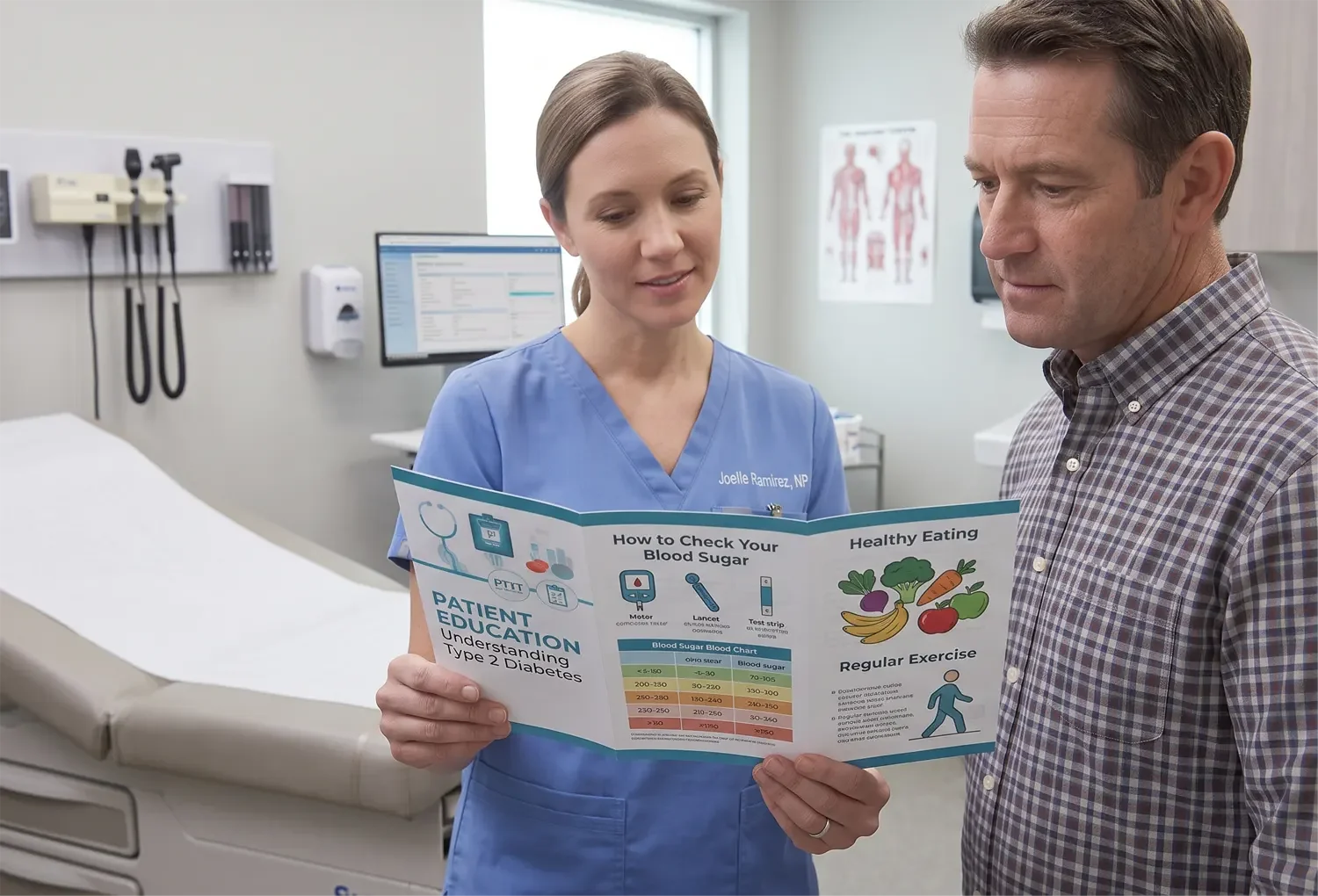
How a Compliant Fulfillment Should Work
Compliant by design means these precautions live inside each stage of the process. Here's what that looks like in practice:
Step 1: Intake
Every project begins by confirming that the production files match the latest approved version. If there's a discrepancy, the job is paused until it's resolved. This helps prevent any outdated or unapproved materials from moving into production.
Step 2: Approval Verification
Before anything is printed, all required approvals should already be in place.
Step 3: Production
Once approvals are confirmed, production moves forward using the verified files. To control the production process, access is limited to the people actually working on the campaign.
Step 4: Kitting and Assembly
Whether it's a sales representative kit, physician mailer, conference package, or patient education packet, every kit should be assembled using the same standardized process.
Step 5: Warehousing and Inventory
Materials are stored with lot and version tracking, so campaigns with specific information don't get mixed on the shelf.
Step 6: Distribution
Shipments are coordinated across every destination a campaign needs. Whether it's going to a rep's trunk, a physician's office, or a conference booth, it ships at the same time and with the same inventory.
Step 7: Documentation and Close Out
Every stage of the fulfillment process leaves a record, like production logs, inventory updates, quality checks, and shipping histories. These are documented trails that make it easy to verify what was produced, where it was sent, and when it was distributed.
At Roundhouse, we bring the same level of care to the 45,728 shipments and 3,987 designs we manage every year. In pharmaceutical marketing, those processes become even more important because every detail matters.
Ready to see it applied to your next campaign? Talk to the Roundhouse team.
Questions to Ask Before You Choose a Partner
A fulfillment partner can say they understand compliance. The better question is whether their day-to-day processes actually support it. As you evaluate potential partners, these questions can help you understand how they manage pharmaceutical marketing fulfillment behind the scenes.
- How do you make sure only the latest approved version of a marketing piece goes into production?
- If we need to review a campaign months later, can you provide a complete production and shipping history?
- How do you handle projects that involve patient information or other sensitive data?
- How do you keep campaign- or region-specific materials from getting mixed with other inventory?
- How quickly can you turn around an urgent, compliance-driven mailing?
- Do you manage printing, kitting, warehousing, and fulfillment in-house, or do multiple vendors handle different stages of the process?
Pharmaceutical marketing fulfillment depends on consistency. Every additional vendor handoff introduces another chance for an outdated file or missed approval to slip through. A single point of execution helps keep the entire process organized from production through delivery.
Frequently Asked Questions (FAQs)
-
What is pharmaceutical marketing fulfillment?
Pharmaceutical marketing fulfillment is the process of producing, storing, assembling, and distributing approved marketing materials for pharmaceutical companies. It includes services such as print production, inventory management, kit assembly, warehousing, and nationwide distribution, with processes designed to support compliance, version control, and consistent campaign execution. -
Does pharmaceutical marketing fulfillment involve handling prescription drug samples?
Not necessarily. Pharmaceutical marketing fulfillment typically focuses on marketing and educational materials such as brochures, physician leave-behinds, sales kits, conference materials, direct mail pieces, and patient education resources. The handling and distribution of prescription drug samples is a separate process that follows additional regulatory requirements. -
Is pharmaceutical marketing fulfillment the same as HIPAA-compliant mail?
No, while the two may overlap, they aren't the same. Pharmaceutical marketing fulfillment focuses on producing and distributing approved marketing materials, whereas HIPAA-compliant mail involves protecting patients' protected health information (PHI) when it is included in printed communications or mailings. If a pharmaceutical campaign contains patient information, fulfillment processes should also support HIPAA-compliant handling. -
Why does version control matter so much in pharma fulfillment?
Marketing materials in the pharmaceutical industry may be updated as product information, safety language, or campaign messaging changes. Strong version control helps ensure only the latest approved materials are printed, stored, and distributed, reducing the risk of outdated or unapproved content being used in active campaigns.