E-commerce Fulfillment Services Integration
Social buzz can build overnight, but trust does not.
While e-commerce brands move faster online, many still rely on physical touchpoints to communicate legitimacy and reliability. Packaging, inserts, influencer kits, and shipping experiences carry a weight that digital impressions never fully replace.
Speed may be e-commerce's greatest advantage, but the moment a brand extends beyond the screen, speed alone stops being enough. What customers remember is not how fast a campaign was launched, but how well it was delivered.
Fulfillment Is Part of the Brand Experience
Every successful marketing campaign treats every physical delivery as a brand touchpoint. It's not just a logistical step, but the moment where customer expectations meet reality.
Customers never see what happens behind the scenes. They only experience the outcome—how the product arrives, how it's presented, and whether the experience matches your promise. A late shipment or a frustrating delivery isn't viewed as a fulfillment issue. It's perceived as a brand failure, regardless of who handled the logistics.
These moments shape how a brand is remembered. It can either make or break the story marketing has worked hard to tell.
Even well-planned campaigns lose credibility at the point of delivery when these happen:
- Kits arrive late and miss a launch window or influencer post
- Packaging feels generic or rushed
- Inserts are missing, incorrect, or treated as an afterthought
- Products arrive damaged or poorly presented
In these moments, customers aren't thinking about fulfillment issues; they're already forming opinions about the brand itself. This is why fulfillment can no longer sit outside marketing conversations. It plays a critical role in delivering the promise your marketing made.

Why Some Campaigns Break During Fulfillment
Even with approved creative, committed budgets, and strong early performance, marketing campaigns can still fail during execution. It's rarely because of a flawed marketing strategy; more likely, execution was never part of the plan.
These are some of the reasons why that happens:
-
Marketing moves faster than execution
Digital campaigns can launch instantly, but physical execution cannot. Printing, kitting, and shipping all require preparation and coordination. Fulfillment is forced to catch up when digital campaigns go live even before these elements are ready. The result is delayed deliveries, rushed production, or missed launch windows. -
Fulfillment planning happens too late
If planning starts after creative and launch dates are finalized, flexibility disappears. There's little room to properly align production schedules, inventory levels, or assembly workflows without compromising quality and speed. -
Disconnected execution of printing, inventory, and shipping
Some brands work with multiple vendors for different things. Outsourcing printing, storage, kitting, and shipping to separate vendors introduces handoffs and manual processes. This is how visibility drops and last-minute fixes become common. At this point, it's very difficult to protect your brand consistency and campaign performance.
These risks go beyond operational inefficiencies. They directly shape customer expectations and brand perception. As many as 65% of customers are willing to switch brands after a single poor experience. This usually happens with delivery speed and accuracy not meeting their expectations.
What E-commerce Fulfillment Integration Means
From a marketing perspective, fulfillment integration means campaign-ready execution. An integrated fulfillment gives the assurance that delivery and execution will keep up with your marketing strategy.
When fulfillment is integrated into campaign planning, physical execution is treated with the same discipline as creative, media, and messaging. Assets are not produced in isolation or rushed at the last minute. They are planned intentionally to support how and when a campaign goes live.
For marketing teams, this changes the entire rhythm of execution. Instead of adjusting expectations after launch, teams can plan fulfillment alongside creative development and media strategy. This leads to fewer surprises, compromises, and apologies.
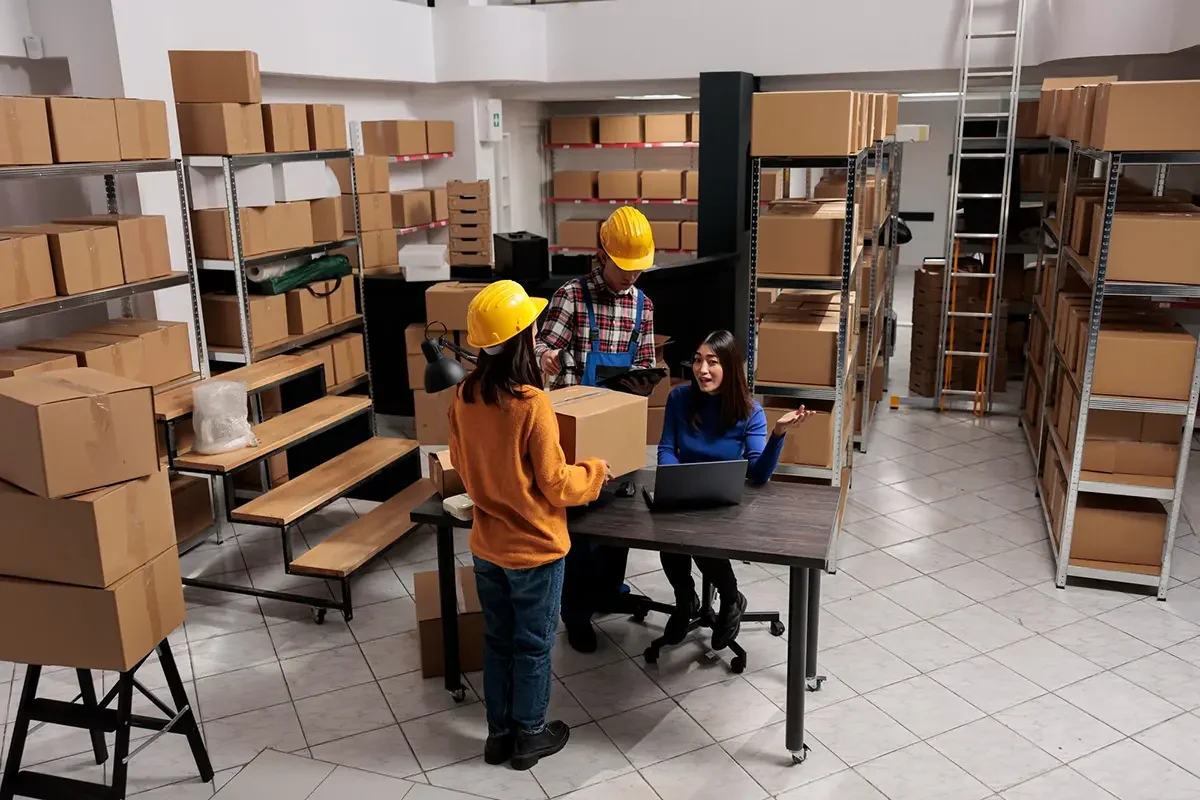
Influencer Kits, Samples, and Direct Mail Depend on Integration
Even when they exist online, brands in the e-commerce space continue to rely on physical marketing to strengthen presence and credibility. Influencer kits, product samples, and direct mail allow customers to experience a brand beyond the screen. These engage multiple senses—touch, sight, smell, and even taste—to create a more personal and memorable connection.
However, the impact depends entirely on execution. Successful physical marketing campaigns have timing, presentation, and delivery working together without any friction. Influencer kits must arrive on schedule to align with posting windows and content calendars. Sampling campaigns only perform when product delivery matches demand and momentum. Direct mail loses impact when it lands too early, too late, or inconsistently across recipients.
In each case, the physical experience is the message.
Brands that succeed in these channels plan fulfillment as part of their campaign strategy, not as an afterthought. We explore this execution challenge in more detail in our guide on how brands win with sampling kit services. Read the article to know how timing, presentation, and integrated fulfillment play a central role in campaign performance.
When Fulfillment Becomes a Marketing Function
Traditional fulfillment models are built to move boxes as fast as possible. In modern marketing, fulfillment requires a more deliberate approach to ensure physical delivery is treated as part of the campaign. It sees printed materials, kits, and shipments as extensions of the brand identity and experience. Along with planning timelines and packaging, an integrated fulfillment strategy enables execution to adapt when plans shift.
At Roundhouse, more than 100 years of combined experience have shaped how we approach execution. We don't treat fulfillment as a handoff. We integrate production, printing, warehousing, kitting, and fulfillment into a single workflow designed to support marketing momentum. That integrated approach allows campaigns to launch with confidence. Whether it's influencer kits, sampling programs, direct mail, or branded promotional items, execution remains aligned with the strategy behind it.
If execution is holding your campaigns back, it may be time to rethink fulfillment with Roundhouse.
Connect with us today and let's talk about your 2026 campaigns!
Frequently Asked Questions (FAQs)
-
What are e-commerce fulfillment services integration?
E-commerce fulfillment services integration connects marketing execution with physical delivery. It ensures that printed materials, influencer kits, inventory, and other elements are planned and delivered based on the campaign timelines. -
How do you know if fulfillment is limiting your campaign performance?
Fulfillment is likely constraining your marketing efforts if your launches feel rushed, physical assets are always crammed, or you almost always rely on expedited shipping to catch up. -
Can integrated fulfillment support both B2B and B2C campaigns?
Yes, integrated fulfillment is beneficial for both B2B and B2C campaigns, especially when consistency, timing, and presentation matter across different audiences. -
What role does warehousing play in marketing execution?
Warehouse space is part of your strategy. If you have enough inventory, you can respond quickly to demand, support multiple campaigns at once, and avoid delays caused by reprinting or last-minute production. -
Is integrated fulfillment only for large brands?
No, even growing brands can benefit from an integrated approach since it can help scale campaigns without the risk of any complexities or operational errors.