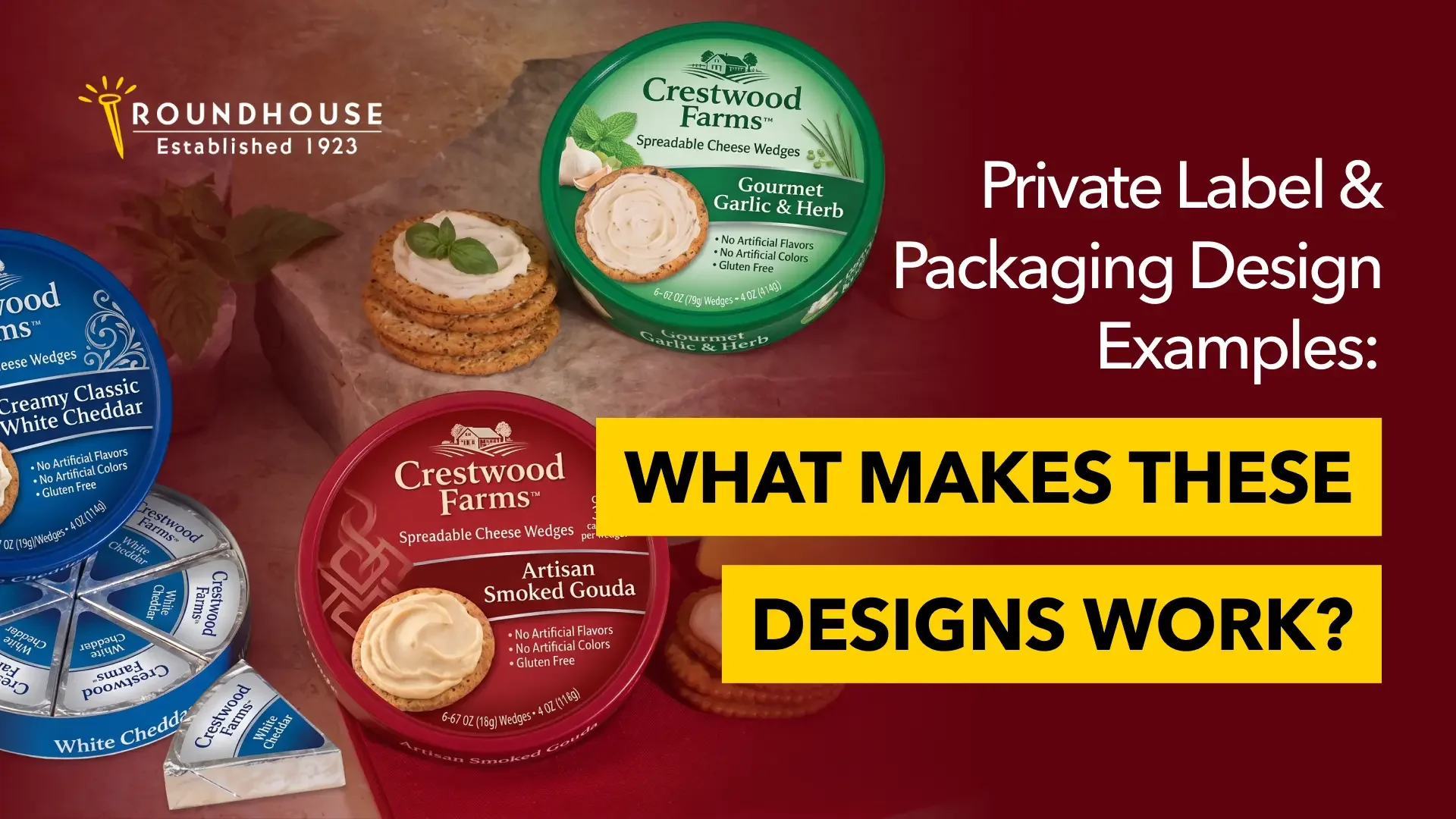
Private Label and Packaging Design Examples: What Makes These Designs Work?
Quick answer
The best private label packaging designs work because of three things: (1) they make one clear promise, (2) signal the right price tier, and (3) easy to recognize even across hundreds of products. The strongest ones help shoppers quickly understand what the product is and why it belongs in their cart.
The Private Label Manufacturers Association states that private label sales in the U.S. reached a record $282.8 billion in 2025, growing at nearly three times the rate of national brands. Store brands now account for 21.3% of dollar share and a record 23.5% of units sold.
When nearly one in four items in the cart carries a retailer’s name, packaging has to do real brand work. In this article, we'll look at three private label and packaging design examples, including case studies from Roundhouse Partners, Inc.
What Is Private Label Packaging Design?
Private label packaging design is the process of creating custom labels and packaging for products made by a third-party manufacturer but sold under a retailer’s name. Designers offering this service need to develop a flexible system that can work across dozens or even thousands of products. The same design system might need to work for frozen pizza, dish soap, and dog treats, even when those products come from different co-manufacturers and use different packaging formats.
In other words, a national brand may build a design around a hero product. Private label packaging design builds a set of visual rules that can give an entire product portfolio a consistent identity. It also explains why the stakes are higher than they look. When a shopper has a bad experience with a single private-label SKU, the damage spreads to every product carrying that name.
3 Private Label Packaging Design Examples From Major Retailers
1. Walmart Great Value
In April 2026, Walmart unveiled the first full redesign of Great Value in more than a decade. In their research, shoppers were generally positive about the products themselves, but some felt less positive about how the packaging looked on their kitchen counter. The redesigned version has successfully demonstrated how a private-label brand can communicate affordability without making the product feel like a compromise.
What makes it work:
- Familiarity: The familiar blue remains, but it is deeper and more prominent. Existing shoppers can still recognize Great Value at a glance.
- Clear Product Communication: The redesign uses clearer visual cues and more consistent information placement to help shoppers quickly understand what they're buying and compare products across the Great Value line.
- Digital Visibility: The system was built to stay recognizable even at thumbnail size in Walmart’s app. With cleaner and more consistent layouts, store associates who pick online orders also find the right item fast.
The Lesson: Value packaging doesn't have to look cheap to communicate affordability. Great Value shows that a private label brand can signal accessible pricing while still creating a visual identity shoppers can feel good about bringing home.
2. Costco Kirkland Signature
Kirkland Signature works because a single recognizable brand identity can span hundreds of product categories while consistently signaling quality and value. According to Costco CFO Gary Millerchip, Kirkland Signature products typically offer members 15% to 20% more value than comparable national brands.
What makes it work:
- Consistent branding: The Kirkland Signature name creates instant recognition across categories.
- Warehouse-ready packaging: Costco designs packaging to withstand shipping, stacking, storage, and shopping.
- Clear product information: Packaging puts practical details such as quantity, origin, certifications, and product features front and center.
The Lesson: Once shoppers trust a private label, consistency becomes a powerful brand asset. Packaging also needs to work beyond the shelf, especially in warehouse retail.
3. Target Good & Gather
Good & Gather demonstrates how consolidating multiple private labels under a single master brand can create a clearer, more recognizable packaging system. Target launched the brand in 2019, replacing Archer Farms and Simply Balanced while reducing its reliance on Market Pantry.
What makes it work:
- Simpler brand architecture: One recognizable brand makes it easier for shoppers to navigate Target's food assortment.
- Consistent product promise: Good & Gather uses clear ingredient and product standards to create consistency across categories.
- A flexible system: Target has extended the brand into areas including plant-based foods, baby food, and toddler products without creating entirely new identities.
The Lesson: Sometimes the packaging problem isn't the package. It's the brand architecture behind it. Simplifying the number of private labels can make the entire system easier to recognize and manage.
What Makes Private Label Packaging Work? 5 Patterns Across the Examples
Effective private label packaging examples share these five practical habits:
- They build an entire system: Logo placement, color logic, and information hierarchy are established first so the system can scale across SKUs.
- They lead with one clear promise: The strongest packages don’t try to say everything at once. Great Value leads with value, Good & Gather with its ingredient standards, and Kirkland Signature with quality at warehouse scale.
- They signal the price tier: Premium, value, and mid-market products need visual cues that match how they're positioned. When the design and price point feel mismatched, shoppers may question the product.
- They create distinctive assets: A recognizable color, wordmark, illustration style, or naming pattern can help shoppers identify the brand in seconds.
- They work beyond the shelf: Strong packaging now needs to hold up in app thumbnails, e-commerce listings, shipping cases, sampling kits, trade shows, and displays, not just on a retail shelf.
Most brands struggle with the fifth point. A package may look great at full size but lose its impact when it appears in a sampling kit, trade show booth, or in-store display. Strong packaging design considers those contexts from the start.
CPG Packaging Design Examples From Roundhouse Partners
The same principles apply whether the name on the pack belongs to a national retailer or a regional food brand. Roundhouse Partners, Inc. has been designing, printing, and shipping for brands since 1923, and our packaging work balances brand identity, product information, and shelf appeal from the first sketch.
The three examples below show how our creative team applied these principles to solve different packaging challenges, from creating a stronger brand identity to making products easier to recognize.
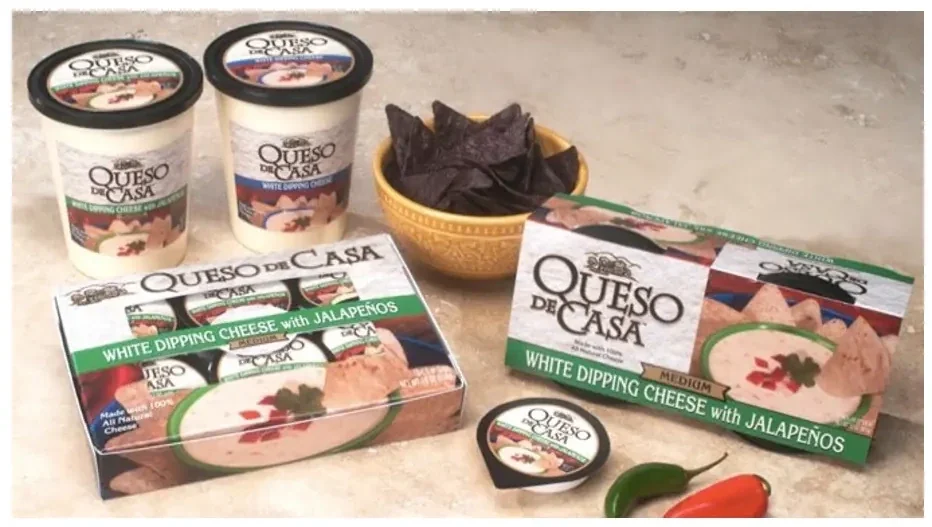
Queso De Casa packaging developed by Roundhouse Partners, Inc.
1. Queso De Casa
What we did: From naming the brand to logo development, photography, and final package design, the Roundhouse team handled the whole enchilada.
Why it matters: This is the "system before the packs" approach in action. When one team owns the name, logo, photography, and packaging, every decision can work toward the same brand promise instead of being retrofitted later.
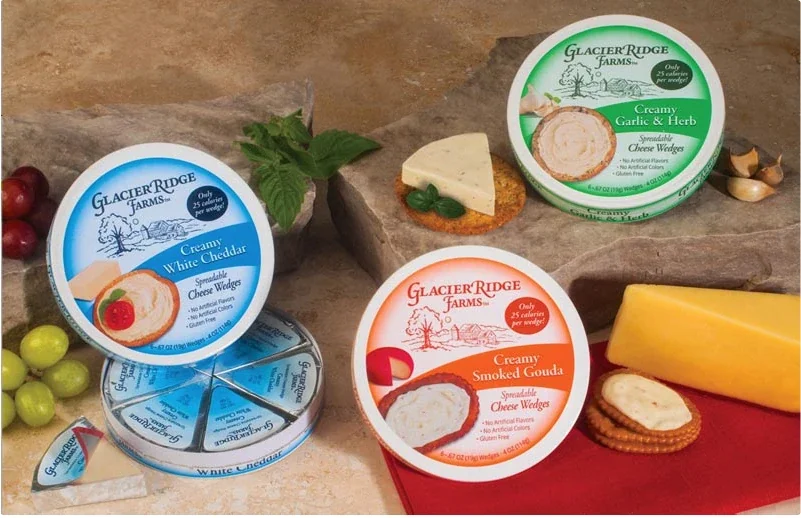
Glacier Ridge Farms packaging refreshed across multiple SKUs and flavor profiles.
2. Glacier Ridge Farms
What we did: Our package design team created a fresh, cohesive look for this established brand and extended it across multiple SKUs and flavor profiles.
Why it matters: Refreshing an established brand means finding the balance between something new and something familiar. Extending the design across flavors also shows the value of a strong system: each SKU can feel distinct while still looking like part of the same brand.
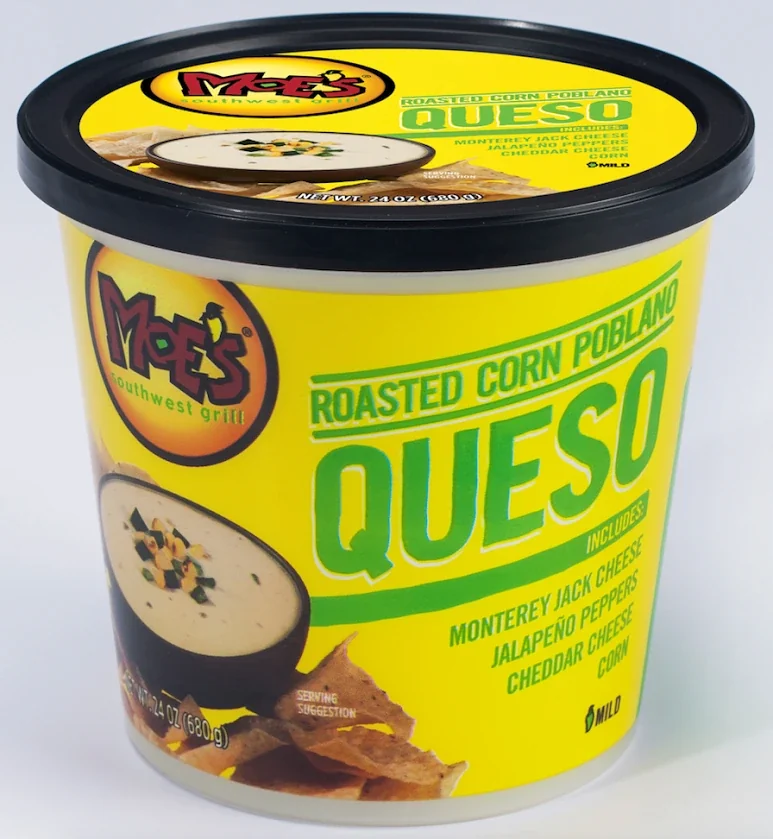
Moe's Southwest Grill cup design featuring food photography by Roundhouse Partners, Inc.
3. Moe's Southwest Grill
What we did: Working within Moe's established retail brand standards, our team styled and photographed the food for appetite appeal and integrated it into a unique full-color cup design.
Why it matters: Not every packaging project starts with a blank page. Working within established guidelines requires creativity without losing brand recognition. Here, the photography and layout do the visual work while staying true to the existing brand. It’s the same position a design partner is in when a retailer hands over its private label brand standards and asks for a new SKU.
Packaging That Works Everywhere It Shows Up
The best private label packaging examples consider the whole system before designing the front panel. Before anyone touches a front panel, the team has already decided how the brand will read on the shelf, in an app, inside a shipping case, and as part of a kit.
That’s our favorite kind of work at Roundhouse Partners, Inc. Our creative team designs packaging and other brand materials, our in-house printing team handles production, and our fulfillment team handles kitting, packing, and shipping. With these capabilities under one roof in Verona, Wisconsin, we can support a project from creative development through production and fulfillment.
📌 If you’re still deciding who should build that system, our guide to choosing a CPG packaging design partner covers what to look for.
Planning a new private label line or rethinking one that's lost its shelf presence? Let's talk about what your packaging needs to do.
Frequently Asked Questions (FAQs)
-
What is the difference between private label and white label packaging?
Private label products are made to a retailer's or brand owner's specifications and sold under that brand's name. White label products are generally pre-made products that manufacturers sell to multiple businesses that apply their own branding. -
Who owns the packaging design for a private label product?
Ownership depends on the agreements between the retailer or brand owner, designer, and manufacturer. The retailer or brand owner may own the artwork and brand assets, while the manufacturer produces the product and packaging according to the agreed specifications. Ownership and usage rights should be clearly defined in the relevant contracts. -
What are the most important elements of private label packaging design?
The most important elements include a clear brand identity, appropriate price-tier cues, consistent visual hierarchy, distinctive brand assets, and easy-to-recognize packaging. The goal is to always help shoppers quickly understand the product while reinforcing recognition across the broader product line. -
What information has to appear on private label food packaging?
Private label food follows the same FDA labeling rules as any packaged food. It should have a statement of identity, net quantity, ingredient list, allergen declaration, and Nutrition Facts panel. It should also include the name and place of business of the manufacturer, packer, or distributor. This is why most store brands include a phrase such as “Distributed by” or “Manufactured for.”