Trade Show Booth Storage: How to Keep Your Exhibit Materials Show-Ready Between Events
Quick answer
Trade show booth storage keeps exhibit hardware, graphics, displays, and other booth materials secure and organized between events. Effective storage includes inspecting materials after each show, protecting graphics and substrates from temperature and humidity damage, tracking inventory at the component level, and coordinating storage with shipping and fulfillment. These practices help brands reduce material damage and prepare for upcoming trade shows.
The average exhibitor participates in 4.2 trade shows every year, making it important to keep booth displays and hardware in good condition across multiple events. But maintaining them takes more than careful setup and teardown.
Most of the wear and damage happens in between the shows. Graphics can crease when folded incorrectly, hardware can get damaged during handling, and components can go missing when no one tracks what returns after a show. A well-managed trade show storage facility helps prevent these issues by keeping materials organized, protected, and ready for the next setup.
What Is Trade Show Booth Storage?
Trade show booth storage is a dedicated space for storing exhibit materials securely, keeping them organized, and readying them for reuse between events. It typically includes inventory tracking, appropriate storage conditions, condition checks, and coordinated shipping to the next trade show or event location.
A trade show exhibit program often involves more than the booth structure itself. Materials that may need storage include:
- Booth structures: Backwall frames, rigid panels, and silicone edge graphics (SEG)
- Portable displays: Retractable banners, tabletop displays, and pop-up exhibits
- Furniture and fixtures: Counters, kiosks, and literature racks
- Electronics and accessories: Lighting, monitors, and cable kits
- Flooring: Carpet, modular flooring, and protective padding
- Shipping equipment: Crates, road cases, and protective packaging
- Marketing materials: Brochures, sell sheets, and branded giveaways
📌 If you're still planning your exhibit, choosing the right booth design partner can help you consider storage, transport, and future reconfiguration from the start.
Why Do Exhibit Materials Get Damaged Between Shows?
Exhibit materials can be damaged between shows due to temperature and humidity fluctuations, improper packing, missed inspections, and disorganized storage across multiple locations.
Each creates a different risk:
- Temperature and humidity fluctuations can cause certain printed materials and substrates to warp, curl, or deteriorate. Moisture can also affect adhesives and finishes.
- Improper teardown packing can crease fabric graphics, scratch panels, and separate hardware from its components.
- Missed return inspections can allow damage or missing parts to go unnoticed until the next setup, leaving little time to arrange repairs or replacements.
- Disorganized storage across offices, rented storage units, and sales representatives' garages makes it harder to track inventory and locate specific components.
For example, a team is returning from a September trade show. Their crates immediately go straight into a rented storage unit without any inspection. When the team unpacks for an October event, they discover a creased header graphic and a broken counter latch. Now, they need to rush a reprint and expedite shipping without the full guarantee that the booth will have complete panels when the show opens.
What Should Happen To Your Booth After Every Show?
Inspect your booth within a few days of the show ending or the crates arriving back from the event. This gives your team time to identify missing components, arrange repairs, and prepare for the next event before timelines get tight.
Use this post-show checklist to keep your booth in good condition and ready for the next trade show:
- Step 1: Check the shipment. Compare the returned crates, cases, and hardware bags with the outbound packing list to ensure everything made it back.
- Step 2: Inspect each component. Check for damaged panel edges, loose frame connectors, worn fabric seams, faulty light fixtures, and frayed or damaged cables.
- Step 3: Clean materials as needed. Follow the manufacturer's care instructions for fabric graphics, laminates, and other surfaces to avoid damage during cleaning.
- Step 4: Schedule repairs and reprints. Document anything that needs fixing or replacing. Include the date of your next event so you can prioritize work based on the timeline.
- Step 5: Repack for storage. Use the correct cases and protective materials, clearly label hardware bags, and keep packing diagrams with the corresponding crates.
- Step 6: Update inventory records. Record item quantities, condition, and storage locations. Take photos of damaged components for repair requests and future reference.
- Step 7: Reconcile promotional materials. Check the remaining brochures, product samples, and giveaways. Set aside outdated materials and note what needs to be restocked before the next show.
If your kits include product samples and promotional materials, Roundhouse's guide to trade show kit fulfillment explains how to manage those materials from the warehouse to the show floor, including post-show reconciliation.
How Do You Choose a Trade Show Booth Storage Provider?
Look for a provider who can protect your materials, track inventory, check for damage after each show, and get everything ready for the next event.
In choosing a provider, make sure to ask these questions:
- Climate control: Is the storage space temperature-controlled and humidity-controlled year-round?
- Inventory tracking: Can you see which components are in storage, along with records of what comes in and goes out?
- Post-show inspection: Is someone assigned to inspect the booth for damage or missing parts when it is returned?
- Shipping coordination: Can materials ship directly from storage to the show's advance warehouse or venue?
- Graphics reprints: Can the provider coordinate replacement graphics if something gets damaged?
- Retrieval time: How much notice is needed to pull your exhibit from storage, prepare it for shipment, and get it to the next event?
- Insurance: Are your materials covered while they’re in storage and in transit, or do you need your own policy?
Storage options differ in how well they protect, track, and ship your exhibit materials. Compare the options below to find the best fit for your booth size, storage needs, and event schedule.
| Storage Options | Climate Control | Component Inventory | Inspection on Return | Ships to the Show | Best Fit for |
|---|---|---|---|---|---|
| Office or Closet | Varies | Rarely | Rarely | No | One small tabletop display |
| Self-Storage Unit | Sometimes | No | No | No | Short-term overflow |
| Exhibit House | Usually | Usually | Often | Yes | Custom booths the exhibit house built |
| Marketing Fulfillment Warehouse | Yes | Yes | Yes | Yes | Booths plus collateral, kits, and giveaways |
When Should You Outsource Trade Show Booth Storage?
If your team no longer has the space, time, or resources to manage everything in-house, it may be time to look for a warehouse or storage facility.
Some of the clear signs to watch for include:
- You exhibit at three or more trade shows a year.
- You have multiple booth setups, such as a 10x10, a 10x20, and tabletop displays.
- Different teams or regional offices need the same materials for their events.
- Your team spends too much time tracking down, counting, and packing materials before each show.
Take a regional sales team as an example. They share one 10x20 booth and four tabletop kits across a dozen events. Without a central inventory record, two teams could request the same kit for the same week, or someone might discover that a banner still has an outdated logo just before a show. Centralized storage and inventory tracking help catch these issues before materials are shipped.
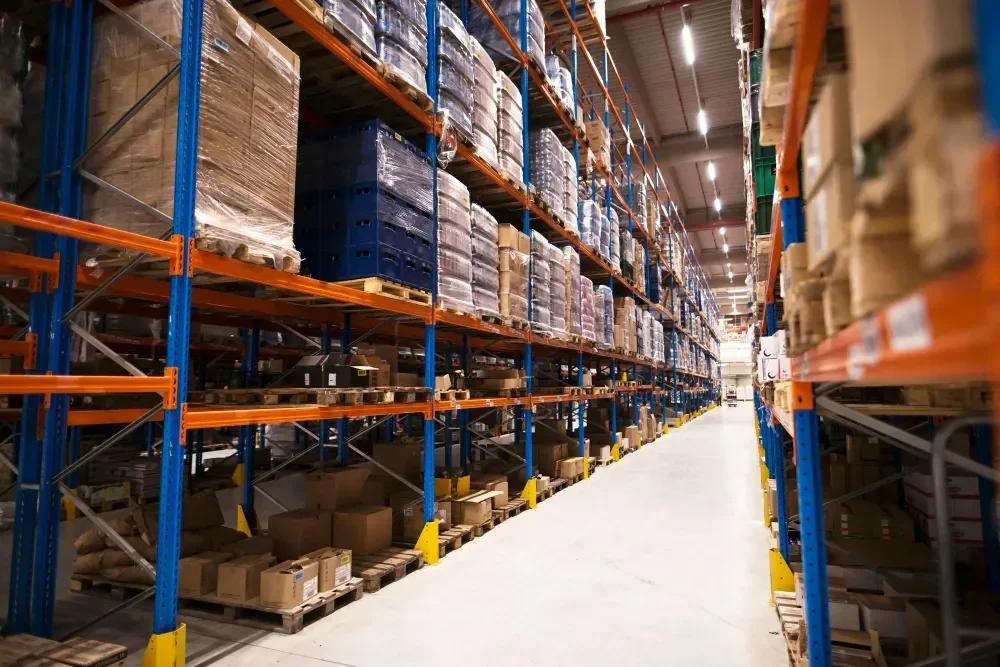
Roundhouse Partners, Inc. offers more than 10,000 square feet of climate-controlled pallet rack storage in Verona, Wisconsin. Our team tracks incoming materials, inventory, and outgoing shipments, with storage, packing, and shipping handled in the same building. This keeps exhibit materials organized and makes it easier to prepare for upcoming events.
📌 Learn more about Roundhouse Partners, Inc.’s marketing warehousing services and how storage works alongside fulfillment and printing.
Frequently Asked Questions (FAQs)
-
Is climate-controlled storage necessary for a trade show booth?
It’s a good choice for most exhibits, especially those with fabric graphics, laminates, adhesives, or electronic components. Exposure to heat and humidity can damage certain materials over time, so a controlled storage environment helps protect them between shows. -
How should fabric trade show graphics be stored?
Make sure fabric graphics are clean and completely dry before packing them. Follow the manufacturer's storage instructions, whether that means rolling or folding them, and use a protective bag. Keep them away from moisture and heavy items that could leave creases or damage the fabric. -
Should leftover collateral and giveaways be stored with the booth?
Yes, if you'll use them at future events. Keeping brochures, product samples, and giveaways with your booth materials makes it easier to prepare for the next show. Count what's left after each event and set aside anything with outdated messaging, pricing, or QR codes. -
How far ahead should stored booth materials be pulled before a show?
Start pulling and inspecting materials at least three to four weeks before the scheduled ship date. This gives your team time to arrange graphic reprints, replace damaged hardware, and meet the show's advance warehouse deadline. -
How is trade show booth storage priced?
Most providers charge a monthly rate based on weight, pallet count, or floor space, usually with a monthly minimum. In most cases, there is a separate handling fee each time materials move in or out. Other fees may also be applied when you request repacking, repairs, or reprints. When comparing quotes, ask what’s included, especially inspection on return and insurance coverage. -
Where can you store trade show booth materials between events?
You have four main options: an office or closet, a self-storage unit, the exhibit house that built your booth, or a marketing warehouse that also handles fulfillment. They are all good options if you only have one tabletop display. Once you’re managing several booth sizes plus collateral and kits across multiple shows a year, a warehouse that inspects, tracks, and ships from one location is the safer choice.
Roundhouse Partners, Inc. stores, tracks, and ships booth and event materials in a climate-controlled warehouse in Wisconsin. You can explore more details of their warehousing services or request a quote for your specific storage needs.